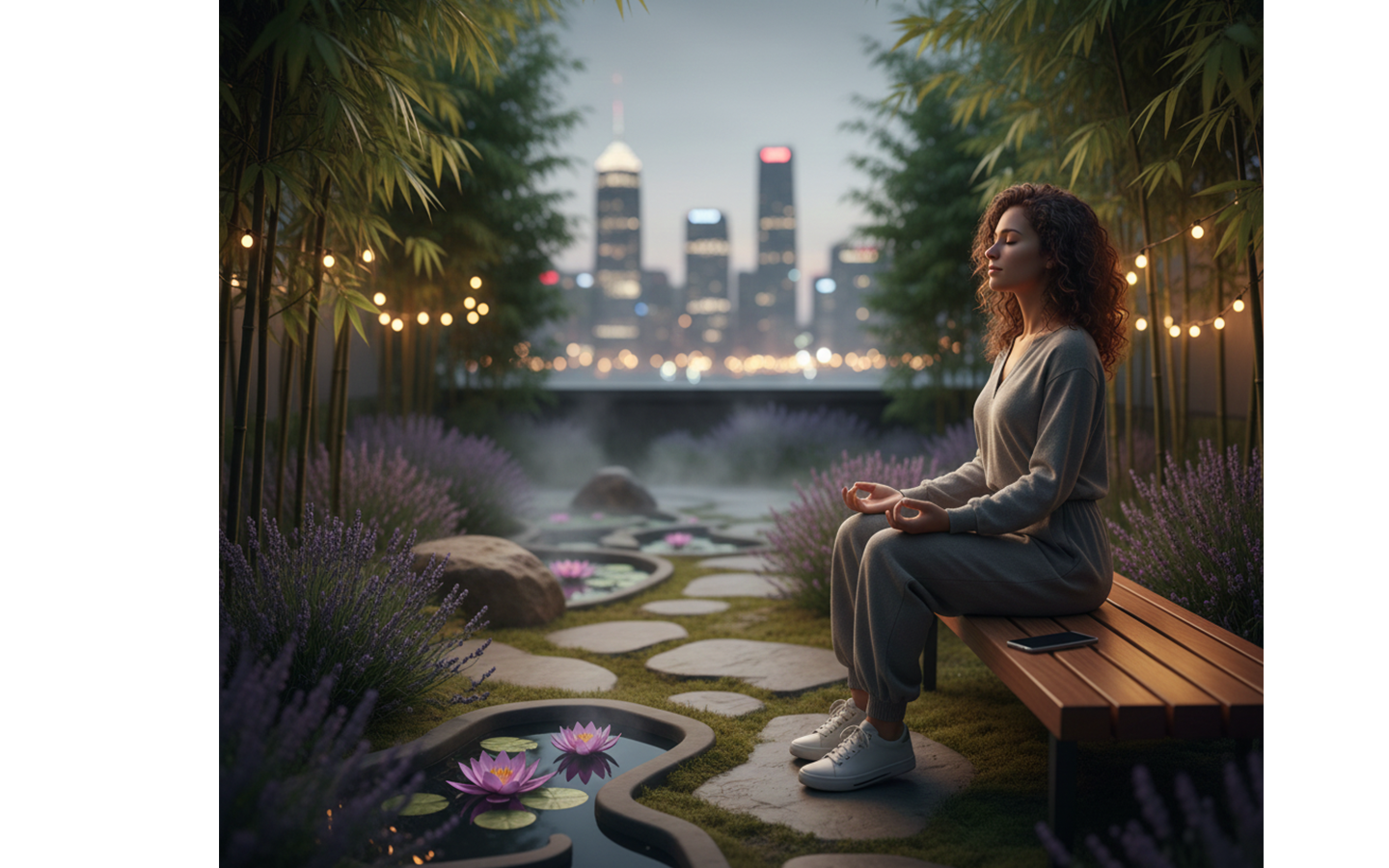
We live in an age of unprecedented connectivity. Our phones buzz with notifications at all hours. Social media feeds never end. Work emails arrive at midnight. The average person checks their phone 144 times per day, and many of us feel a low-grade anxiety when separated from our devices for even a few minutes.
Into this chaos, an ancient practice speaks with fresh relevance: the Sabbath.
The Original Design
When God created the heavens and the earth, He worked for six days and rested on the seventh. Not because He was tired—the Creator of the universe doesn't experience fatigue—but to establish a rhythm, a pattern for human flourishing. In Genesis 2:3, we read that God "blessed the seventh day and made it holy, because on it he rested from all the work of creating that he had done."
This wasn't a suggestion. When God gave the Ten Commandments to Moses, "Remember the Sabbath day by keeping it holy" made the list alongside prohibitions against murder and theft. The Sabbath was considered that important to human wellbeing and spiritual health.
But what does Sabbath rest look like in 2025, when our "work" follows us everywhere through glowing rectangles in our pockets?
The Problem with Infinite Scroll
Traditional media had natural stopping points. A newspaper had a final page. A television broadcast signed off at midnight. Even early internet forums required you to actively refresh to see new content.
Modern social platforms are engineered differently. They're designed by teams of brilliant engineers and psychologists whose explicit goal is to maximize "engagement"—which is a polite way of saying "time spent on the app." Features like infinite scroll, algorithmic feeds, and variable reward schedules (you never know when the next interesting post will appear) tap into the same neural pathways as slot machines.
The result? We scroll mindlessly, looking for... something. Connection? Entertainment? Validation? We often can't articulate what we're seeking, but we keep scrolling anyway. An hour passes. Then two. We look up from our phones feeling drained rather than refreshed, anxious rather than peaceful.
This is the opposite of Sabbath rest.
Reclaiming Rest in the Digital Age
The good news is that we can reclaim Sabbath practices even—especially—in our hyper-connected world. Here's what that might look like:
1. Set Physical Boundaries
Consider creating device-free zones and times in your life. Maybe phones stay out of the bedroom. Perhaps Sunday morning before church is screen-free family time. Some families have a "phone stack" at dinner where devices are piled in the center of the table, and whoever checks theirs first does the dishes.
These boundaries feel uncomfortable at first. You'll reach for your phone out of habit and find it's not there. That discomfort is actually information—it reveals how dependent we've become on constant digital connection.
2. Practice Intentional Consumption
Not all screen time is created equal. There's a difference between mindlessly scrolling through rage-bait and controversy versus intentionally reading an article, watching an educational video, or connecting with friends through video chat.
Ask yourself: "Am I using this technology, or is it using me?" When you pick up your phone, have a purpose. When that purpose is fulfilled, put it down. This simple practice of intentionality transforms your relationship with technology.
3. Cultivate Analog Pleasures
Remember what people did before smartphones? They read physical books. They took walks without podcasts. They sat in silence. They had conversations without the temptation to check notifications. They were bored sometimes—and that boredom led to creativity, reflection, and prayer.
Rediscover these analog pleasures. Keep a physical Bible and journal by your bed instead of your phone. Take a walk and leave your earbuds at home. Sit on your porch and watch the sunset without documenting it for social media.
4. Create Sabbath Rhythms
The Sabbath isn't just about what you stop doing—it's about what you start doing. Traditional Jewish Sabbath practice involves specific rituals: lighting candles, sharing special meals, gathering with family, attending synagogue, studying Scripture.
What positive practices could fill your digital Sabbath? Perhaps it's a long family breakfast where everyone shares highs and lows from the week. Maybe it's an afternoon hike in nature. It could be hosting friends for dinner, playing board games, or reading aloud together.
The goal isn't just to create empty space by removing technology—it's to fill that space with life-giving activities that restore your soul.
Why This Matters for Your Faith
Jesus said, "The Sabbath was made for man, not man for the Sabbath" (Mark 2:27). God didn't give us the Sabbath because He needs our rest—He gave it because we need it. We need regular rhythms of disconnecting from the demands and distractions of daily life to reconnect with God, with loved ones, and with our own souls.
Constant digital connectivity fragments our attention. It's hard to hear the still, small voice of God when our minds are cluttered with notifications, news cycles, and social media discourse. The Sabbath creates space for what Eugene Peterson called "a long obedience in the same direction"—the slow, patient work of spiritual formation that can't happen when we're perpetually distracted.
Moreover, practicing Sabbath is an act of trust. When we step away from our devices, we're declaring that the world can continue without our constant monitoring and input. We're trusting that God is in control, that our value doesn't depend on our productivity or our follower count, and that rest is not laziness but obedience.
Starting Small
If a full 24-hour digital Sabbath feels overwhelming, start small. Try one screen-free hour each day. Then expand to a screen-free morning or evening. Work up to a half-day, then a full day.
You'll likely experience something called FOMO—fear of missing out. What if something important happens while you're offline? What if someone needs to reach you? These fears are usually overblown. Very few things are so urgent they can't wait a few hours or even a day.
What you'll discover instead is JOMO—the joy of missing out. The joy of being fully present with the people in front of you. The joy of unhurried time with God. The joy of a mind at rest, no longer fragmented by the demands of a dozen apps vying for your attention.
An Invitation
This isn't about legalism or adding another rule to follow. It's about freedom. The Sabbath is a gift, not a burden. It's an invitation to step off the treadmill of constant productivity and digital engagement and remember who you are apart from your online presence.
You are not your follower count. You are not your productivity metrics. You are not the sum of your notifications. You are a beloved child of God, created for relationship, designed for rhythms of work and rest, made for something far more satisfying than infinite scroll.
This week, consider: what would it look like to practice a digital Sabbath? What would you need to put down? What might you pick up instead? What might God want to say to you in the silence?
The ancient practice of Sabbath has never been more relevant. In a world that demands constant attention, choosing rest is a radical act of faith.